The Relationship Between Probate and Estate Planning: How Wills and Trusts Affect the Probate Process
Quick Answer
Probate is the legal process of distributing a deceased person's assets. Estate planning, using tools like wills and trusts, allows you to proactively decide how your assets are handled, potentially avoiding or simplifying the probate process. Trusts can bypass probate entirely, saving time and costs.
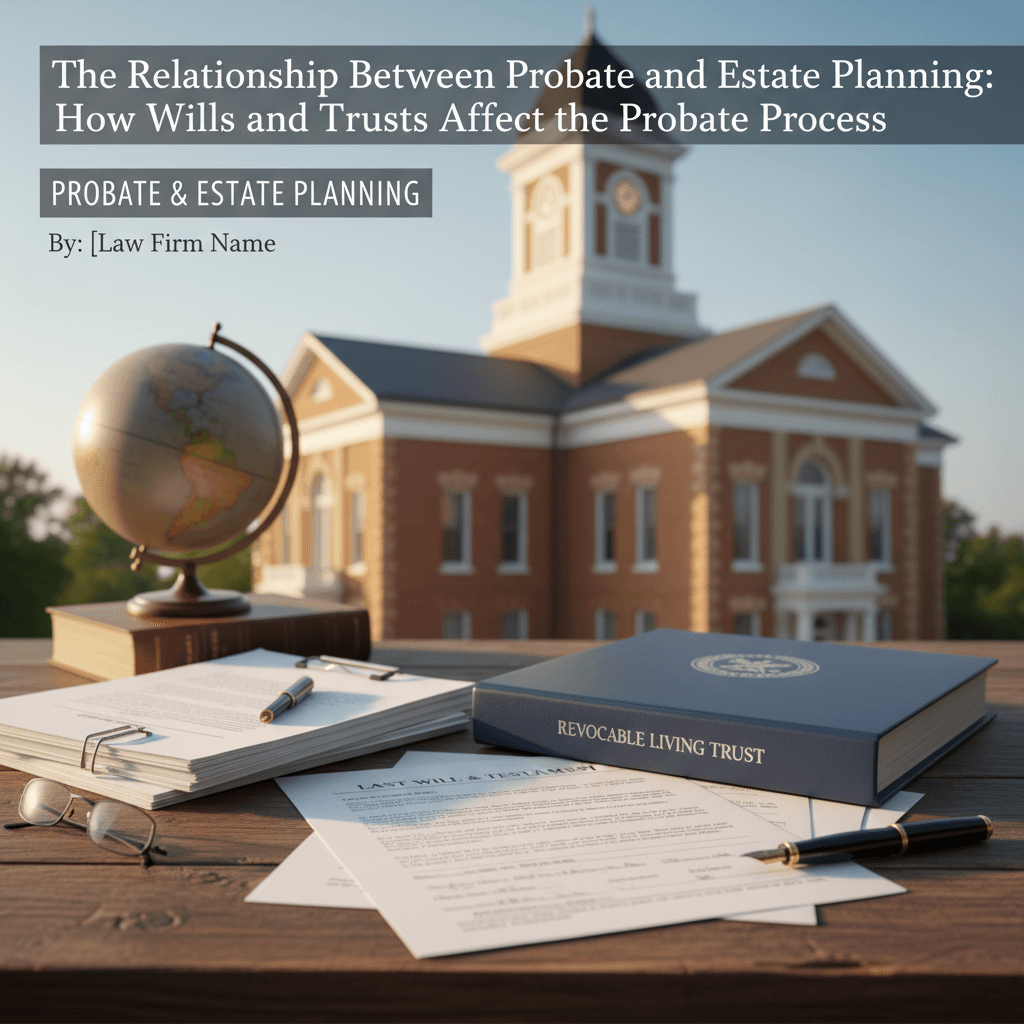
Dealing with the intricacies of law can be a maze, especially when it comes to the areas of probate and estate planning. An understanding of these legal processes is certainly not commonplace knowledge, but it is precious information when dealing with assets left by a deceased loved one.
Understanding probate can help you make a better estate plan. Knowing the sorts of things that can land you before the probate court makes it easier to know which aspects to include in a comprehensive estate plan.
What is Probate?
Before diving into deeper waters, let’s demystify what probate is. Probate is the legal procedure by which a deceased person’s assets are identified, valued, and distributed to his or her beneficiaries. Under the Missouri probate code, assets owned by the deceased individual at death that do not have a transfer-on-death beneficiary or “joint” owner are subject to the probate process. Probate is an in-court process that usually requires hiring a lawyer, the public filing of a will, publication in the newspaper, the compilation of an accurate inventory, and carefully following required probate procedures.
How Wills and Trusts Factor into Probate
The core documents of an estate plan—like living trusts, or a last will and testament—greatly influence the probate process. Wills clearly state the deceased’s wishes, indicating who should inherit their assets. Without a will, Missouri’s intestacy laws take effect. A will can allow the designated personal representative to become appointed much more quickly, and it can often allow them to serve “independently” (without court supervision) and without requiring the purchasing of a surety bond.
Because a will can so significantly expedite the probate process, we always encourage our clients to have one, even if they are primarily relying on transfer-on-death and beneficiary designations to dispose of their assets.
On the other hand, trusts bypass the probate process altogether. This is because assets placed in a living trust can be transferred to beneficiaries without the interference of the court. This usually means savings in terms of time, costs, and privacy. It’s also important to note that a power of attorney becomes ineffective when the person who granted it is deceased, meaning that the control over the property left in the individual’s name that was previously permitted by the power of attorney document will terminate unless it is owned by a trust or a Personal Representative is appointed over the probate estate.
Understanding the Intersection
Many people confuse probate with estate planning and vice versa. However, the two are related but distinct legal processes. Estate planning is a proactive approach to the division of your assets—it happens while you’re still alive. Probate, on the other hand, is a reactive process—it helps distribute your assets after your death, especially if you haven’t left any clear instruction about how your assets should be distributed.
Having a solid estate plan can avoid the need for probate. However, there are also times when probate might be desirable, such as for those who do not have family or friends close to them who are able or who they can trust to administer the assets according to their wishes. Nevertheless, even in this situation, a properly structured trust can leave the assets in the control of a professional where necessary, such as a corporate trust company. Whether or not this option makes sense for you depends heavily on your circumstances and the size of your estate.
Conclusion
Understanding both estate administration and estate planning can help families identify risks and choose the right professional. Schnurbusch Law does not draft estate plans. The firm focuses on Missouri probate and post-death trust administration. If someone has died and you need help administering an estate or existing trust, contact Schnurbusch Law.
Need a Missouri probate attorney?
If you are handling an estate in St. Louis, St. Charles, or another Missouri county, Schnurbusch Law can help with flat-fee probate administration.
Talk to a Missouri Probate Attorney